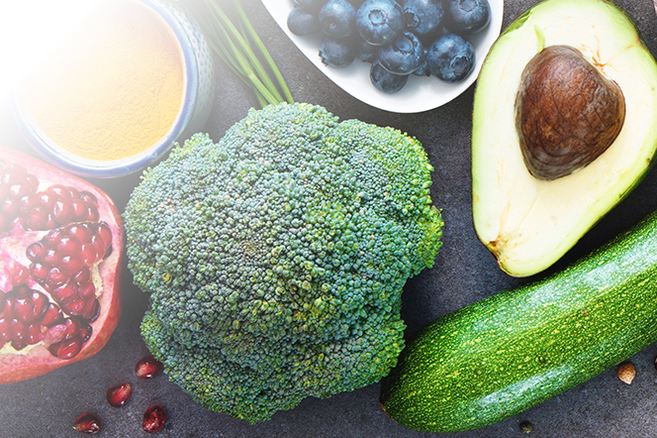
The food industry is undergoing a profound transformation. Health, enjoyment and sustainability are no longer separate concepts, but increasingly intertwined. Consumers in 2026 expect more than just nutritious products – they are looking for added value, innovative textures and flavours, and ingredients that actively contribute to well-being. These expectations are driving new approaches in product development and placing ingredients at the centre of innovation.1
1. Plant-based proteins: from alternatives to next-generation solutions
Beyond soy and pea
Plant-based proteins have long moved beyond niche status. In 2026, the focus is shifting from established sources such as soy and pea towards next-generation proteins derived from fermentation, algae or novel plant sources. These proteins not only offer nutritional benefits, but also bring improved functional properties – from water binding and emulsification to enhanced texture and mouthfeel.2
✔ Fermented proteins as a game changer
Precision fermentation enables the development of proteins with high bioavailability and distinctive sensory profiles, opening up new possibilities for snacks, meat alternatives and functional beverages.2
✔ Hybrid concepts for flexitarian consumers
Products combining animal and plant proteins are gaining relevance as a bridge solution for flexitarians, offering familiar taste and texture while reducing environmental impact.3
2. Health and functionality as key drivers
Ingredients that deliver added value
Food is increasingly expected to do more than satisfy hunger. The trend towards functional foods continues to gain momentum in 2026. Products enriched with dietary fibres, bioactive compounds, vitamins or targeted amino acid profiles are becoming a decisive factor in purchasing decisions.4
✔ Focus on digestive health
Dietary fibres and plant-based ingredients that support gut health and satiety are in high demand, particularly in everyday food products.5
✔ Protein combined with functionality
Protein-rich products are increasingly combined with additional health-related benefits, such as immune support or cognitive performance. This combination represents a clear advantage for functional snacks and beverages and highlights the growing importance of multifunctional ingredient systems.4
Tino Heiden, Managing Director at The Ingredients Experts, emphasises:
‘Plant-based proteins are evolving from a trend to the norm. The decisive factor is no longer whether, but how. Taste, functionality and application must be convincing. This is exactly where our ingredient solutions come in.’
3. Redefining taste and texture
Sensory innovation as a differentiator
In 2026, it is not only what we eat that matters, but how we experience it. Consumers are looking for intense, multi-sensory food experiences. Texture plays a crucial role, especially in plant-based products, where mouthfeel and bite are key to acceptance.6
✔ Texture as an experience factor
From fibrous and juicy to creamy or crispy, texture is becoming as important as flavour and nutritional value – particularly in meat and dairy alternatives.6
✔ Complex and bold flavour profiles
Maximalist flavours combining sweet, sour, smoky or umami notes are shaping innovation across sauces, snacks and convenience products.6
4. Transparency and sustainable nutrition
Responsibility as a purchasing criterion
Sustainability remains a central driver of consumer behaviour. However, expectations now go beyond environmental claims. Transparency across the entire value chain – from raw material sourcing to processing and packaging – is becoming essential.7
✔ Digital transparency tools
QR codes and digital product information are increasingly used to provide insights into origin, carbon footprint and ingredient functionality.7
✔ Sustainable protein systems
Circular approaches, such as the use of side streams or alternative protein sources like microalgae, are gaining importance as long-term solutions for sustainable nutrition.
5. Convenience without compromise
Quality, speed and flexibility
Convenience remains a strong trend, but its meaning is evolving. In 2026, convenience no longer implies lower quality. Instead, it stands for smart product concepts that combine quick preparation with high nutritional value and excellent taste.7
✔ Premium convenience concepts
Frozen and ready-to-eat products are increasingly positioned as high-quality meal solutions, offering restaurant-level quality with minimal preparation time.8
✔ On-the-go with nutritional focus
Protein-rich snacks and beverages enriched with functional ingredients meet the needs of health-conscious consumers looking for convenient solutions in everyday life.4
Conclusion – Opportunities for the food industry
Food trends in 2026 are shaped by the intersection of innovation, health and sustainability. For ingredient suppliers, particularly in the field of plant-based proteins and functional food additives, this opens up significant opportunities. Companies that focus on multifunctional ingredients, sensory excellence and transparent communication will be well positioned to support their customers and create lasting value in an increasingly competitive market.
Sources:
1LifePR (2025): Food trends 2026 – surprising plant-based delights.
2OTS Austria Press Agency (2026): Veganuary 2026: Gurkerl identifies five plant-based trends that are now making plant-based nutrition suitable for the masses.
3Welt, Die (2026): What's behind the new phenomenon of 'hybrid meat'.
4 IFT – Food Technology Magazine (2025): The Top 10 Functional Food Trends.
5EatingWell (2026): 10 Food & Health Trends That Are Going to Dominate 2026.
6Vegconomist (2025): Griffith Foods predicts the most important food trends for 2026.
7KommunikationPur (2025): Food Trends 2026: Health, Enjoyment, and Sustainability in Harmony.
8People Magazine (2026): Beef Tallow, Fancy Instant Food and More Food Trends Whole Foods Is Predicting for 2026.